
Your roof protects everything beneath it, yet it is often one of the most overlooked line items in a homeowner’s budget. Many people only think about roof expenses when a leak appears or a major repair becomes unavoidable. Planning ahead with smart roofing budget tips and proactive roof cost planning can help prevent financial surprises and extend the life of your roof. Understanding what to expect allows homeowners to make informed decisions instead of rushed ones.
Roofing expenses are rarely small, but they are also rarely truly unexpected. Most roofing issues develop over time, whether from normal wear, weather exposure, or deferred maintenance. When homeowners lack a plan, they are more likely to face emergency repairs or premature replacement, both of which tend to cost more.
Roof cost planning gives you control. Instead of reacting to damage, you can prepare for routine maintenance, anticipate long-term replacement, and align roofing decisions with your overall home budget. This approach often results in better material choices, fewer disruptions, and more predictable expenses.
Budgeting for your roof involves more than just replacement. A complete view includes ongoing maintenance, occasional repairs, inspections, and eventual replacement. Each of these plays a role in the total cost of roof ownership.
Routine maintenance is the most affordable way to protect your investment. This may include clearing debris, inspecting flashing, addressing minor shingle issues, and checking ventilation. These tasks help prevent moisture intrusion and structural damage.
Annual or biannual inspections are an important part of roofing budget tips. Catching small issues early often prevents much larger expenses later.
Even a well-maintained roof may need repairs from time to time. Wind, storms, fallen debris, or aging materials can all lead to localized damage. Budgeting for periodic repairs helps avoid stress when they occur.
A good rule of thumb for roof cost planning is to set aside funds annually for minor repairs, even if they are not immediately needed. This cushion reduces the financial impact when repairs become necessary.
Roof replacement is the largest expense homeowners face, and it is also the most predictable. Roofing materials have known lifespans. Asphalt shingles, metal, tile, and flat roofing systems all age differently depending on installation quality, climate, and maintenance.
Knowing the approximate lifespan of your roof allows you to plan years rather than scrambling when failure occurs. Replacement planning is not just about cost but about timing.
Material selection has a major influence on roof cost planning. Different materials carry different upfront costs, lifespans, and maintenance requirements.
Asphalt shingles are often the most budget-friendly upfront, but they may require replacement sooner than other options. Metal roofing has a higher initial cost but can offer longer service life and lower maintenance needs. Tile and specialty systems can last decades but require a larger initial investment and proper structural support.
When reviewing roofing budget tips, it is important to consider long-term value rather than just initial price. A lower upfront cost does not always equal lower total cost over time.
Effective roof cost planning starts with understanding where your roof is in its lifecycle. A newer roof may only need a modest annual maintenance budget, while an aging roof may require more aggressive savings toward replacement.
If you are unsure how old your roof is, a professional inspection can provide valuable insight. Inspectors can assess material condition, ventilation, flashing, and early signs of wear.
This information becomes the foundation of your roofing budget tips strategy.
Once you know the roof’s age and condition, you can estimate how many years of service remain. This does not have to be exact. Even a general range helps guide financial planning.
For example, if replacement is likely within five to seven years, you can begin allocating funds gradually instead of facing a large expense all at once.
One of the most practical roofing budget tips is to create a dedicated maintenance and replacement fund. Setting aside a small amount monthly or annually spreads costs over time and reduces the need for emergency financing.
This fund can also cover inspections and repairs, making roofing expenses part of routine home maintenance rather than a crisis event.
Even the best planning cannot prevent all surprises. Storm damage, fallen branches, or sudden leaks can occur. Roof cost planning should include a contingency buffer for unexpected issues.
Homeowners should also review their insurance coverage to understand what types of roof damage may be covered and what deductibles apply. Insurance may offset some costs, but relying on it entirely can lead to delays and limitations in material choices.
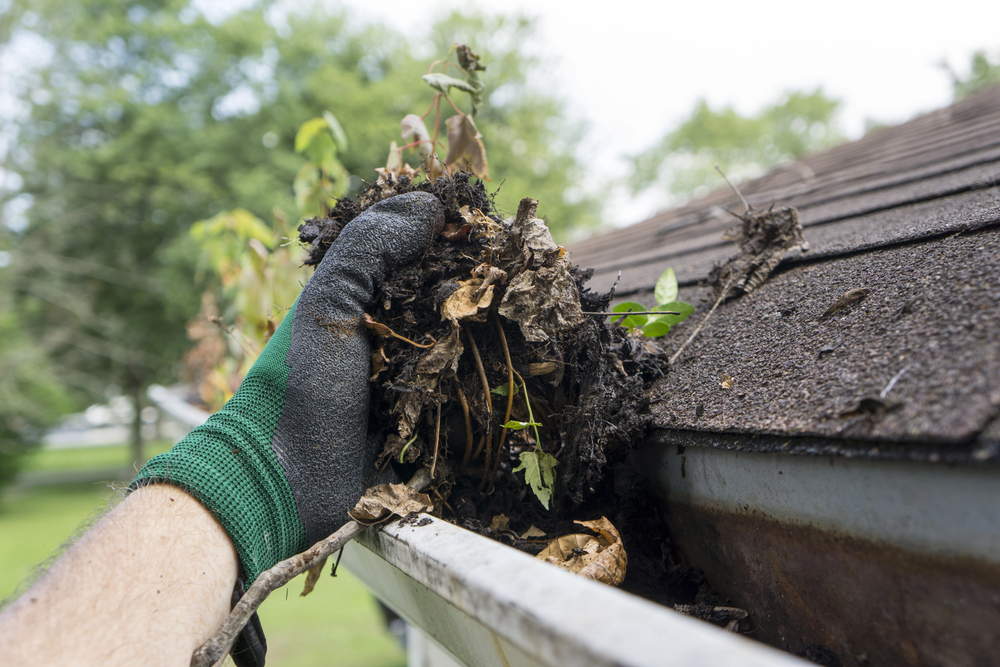 Preventive maintenance is one of the most effective roofing budget tips available. Small actions such as keeping gutters clear, addressing loose flashing, and ensuring proper attic ventilation can extend roof life.
Preventive maintenance also supports better roof cost planning by reducing the likelihood of major repairs. Consistent upkeep often means replacement can be delayed, which improves long-term budget efficiency.
Many homeowners wait until their roof fails before planning replacement. This often leads to rushed decisions, limited contractor availability, and higher costs.
A better approach is to begin roof cost planning several years before replacement is expected. This allows time to compare materials, schedule work during less busy seasons, and align replacement with broader home improvement goals.
Professional roofing contractors can be valuable partners in budget planning. Inspections, maintenance programs, and long-term assessments provide clarity about what your roof needs now and what it will need later.
A knowledgeable contractor can also help explain cost variables, timelines, and material options so homeowners can make decisions that fit both their roof and their budget.
Roofing does not have to be a financial shock. With thoughtful planning, routine care, and realistic expectations, it becomes a manageable part of owning a home.
Roofing budget tips and structured roof cost planning empower homeowners to protect their property, reduce stress, and avoid rushed decisions. The important thing is shifting from reactive spending to proactive preparation.
If you would like professional guidance on roof inspections, maintenance planning, or future replacement considerations, working with an experienced roofing contractor can help you build a clear, realistic plan.
Contact E.W. MacDowell Roofing to learn more about inspections, maintenance, and long-term roofing solutions.
Reach Out to Us to Get Started on Your Upcoming Roofing Project
E.W. MacDowell Inc. is here to be your expert roofing partner, helping you make the best decision for your home or business.