
You’re watching the weather forecast, and the meteorologist is tracking another tropical system heading toward Florida. Your stomach tightens as you glance up at your ceiling, wondering: Can my roof actually handle this?
It’s a question thousands of South Florida homeowners ask themselves every year when hurricane season rolls around. And honestly? It’s one of the most important questions you can ask about your home.
Here’s the truth: not all roofs are created equal for surviving Florida’s hurricane season. The material sitting above your head right now could be the difference between riding out a storm with confidence or dealing with catastrophic damage and insurance headaches.
Living in Florida means your roof faces challenges that homeowners in most other states never have to think about. We’re not just talking about one big storm every few years. Your roof deals with sustained high winds, torrential rain that seems to come sideways, flying debris that turns everyday objects into projectiles, and relentless sun exposure that never really lets up.
Different roofing materials respond in completely different ways to wind uplift. That’s the force that tries to peel your roof off your house like opening a can of sardines. Some materials grab onto your home’s structure and refuse to budge. Others can lift and tear if they’re not specifically designed for high winds.
Impact resistance matters just as much. When a hurricane sends tree branches, roof tiles from down the street, or even patio furniture flying through the air at 100 mph, your roof is the first line of defense. Materials that crack, puncture, or shatter under impact create entry points for water and wind to cause even more damage inside your home.
This is exactly why Florida Building Code requirements exist. If you live in a High Velocity Hurricane Zone, which includes most of South Florida, your roof must meet specific wind resistance standards. Many areas require materials rated for 150 mph winds or higher. These aren’t suggestions. They’re requirements designed to keep your home standing when storms hit.
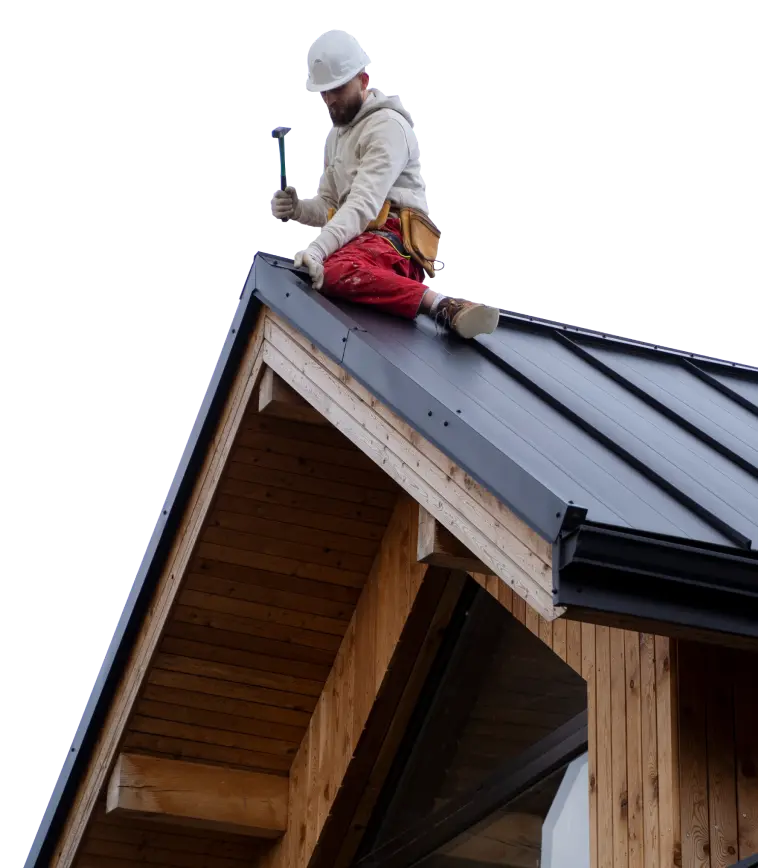
If you want a roof that laughs in the face of hurricane-force winds, metal roofing deserves serious consideration. Specifically, standing seam metal roofs have earned a reputation as one of the most hurricane-resistant options available.
Here’s what makes them work: standing seam metal roofs use vertical panels that interlock along raised seams. These aren’t your grandfather’s corrugated tin barn roof. The panels connect to your home’s structure with hidden fasteners, which means there are no exposed screws or nails for wind to grab onto and exploit. The interlocking design creates a continuous surface that resists wind uplift far better than materials with multiple individual pieces.
When properly installed by experienced roofers who understand the engineering behind these systems, metal roofs regularly achieve wind ratings exceeding 140 mph. Some manufacturers rate their products for winds up to 180 mph when installed according to their specifications. That’s the kind of protection that helps you sleep better when storm warnings start popping up on your phone.
Metal roofs also handle flying debris surprisingly well. A large branch might dent the surface, but it’s far less likely to puncture through compared to other materials. And unlike shingles or tiles that can crack or break, metal panels flex slightly under impact and then return to their original shape.
The longevity benefits make metal roofing even more attractive for Florida homeowners. While you might replace an asphalt shingle roof every 15 to 20 years, a quality metal roof can last 40 to 70 years with minimal maintenance. In a state where your roof takes a beating from sun, salt air, and storms, that durability translates to real value over time.
Metal roofs also reflect heat rather than absorbing it, which can help keep your home cooler and reduce air conditioning costs. In Florida’s climate, that’s not a small consideration.
Now for the considerations: metal roofing costs more upfront than most other options. You’re looking at a significant investment, though many homeowners find the long-term value and hurricane protection worth every penny. Some insurance companies offer discounts for metal roofs, which helps offset the initial cost over time.
Large debris can cause denting, though it typically won’t compromise the roof’s protective function. And if you’re particular about aesthetics, you’ll want to choose your finish carefully since some homeowners find the look of metal roofing less traditional than tile or shingles.
The weight of concrete and clay tiles works in your favor during hurricanes. While lighter materials can lift and blow away when the wind gets underneath them, heavy tiles naturally resist wind uplift. They’re not going anywhere when properly installed, because physics is on your side.
Individual tiles typically weigh between 6 and 15 pounds each, depending on the style and material. That weight creates a downward force that helps keep your roof attached to your home’s structure, even when hurricane winds try to peel it off. It’s like having thousands of small anchors covering your roof.
Here’s another huge advantage: if a storm does damage some tiles, you can replace individual pieces without tearing off your entire roof. A tree branch might crack a few tiles, but a qualified roofer can swap out the damaged ones and leave the rest intact. Compare that to other materials, where damage often requires replacing entire sections or even the whole roof.
Tile roofs also handle Florida’s intense heat and UV exposure better than almost any other material. The thermal properties of concrete and clay help reflect heat away from your home, which can make a noticeable difference in your cooling costs. And unlike materials that degrade under constant sun exposure, properly made tiles can last 50 years or more without losing their protective qualities.
The catch? Installation matters more with tile than with almost any other roofing material. Those tiles need to be fastened correctly to your roof deck, with the right underlayment system beneath them. Shortcuts during installation can turn a potentially hurricane-proof roof into a liability.
Proper tile installation requires mechanical fastening, not just adhesive. Each tile should be attached with corrosion-resistant fasteners that meet Florida Building Code requirements. The underlayment beneath the tiles needs to be a high-quality waterproofing membrane that can handle wind-driven rain if tiles do shift or break.
You’ll also need to make sure your home’s structure can support the weight of a tile roof. Not every house frame is built for it, especially if you’re replacing a lighter material like asphalt shingles. A structural engineer can assess whether your home needs reinforcement before tile installation.
The upfront cost sits somewhere between asphalt shingles and metal roofing, but the longevity and hurricane performance make tile a solid investment for Florida homeowners who plan to stay in their homes long-term.
Let’s be honest: asphalt shingles get a bad reputation in hurricane country. And if we’re talking about basic three-tab shingles with minimal wind ratings, that reputation is deserved. But modern impact-resistant and wind-rated shingles designed specifically for hurricane zones? They’re a completely different story.
The important is knowing what to look for and making sure your roofer installs them correctly.
Start with impact ratings. Look for shingles with a Class 4 impact rating, which is the highest rating available. These shingles are specifically engineered to resist damage from hail and flying debris. They use modified asphalt formulations and reinforced backing materials that help them withstand impacts that would crack or puncture standard shingles.
Wind ratings matter just as much. Don’t settle for shingles with basic wind warranties. Look for products rated for sustained winds of 130 mph or higher. Many manufacturers now offer shingles with wind warranties up to 150 mph when installed according to their specifications.
Here’s what makes high-wind shingles different: they use enhanced adhesive strips that create a stronger bond between shingle layers. Some manufacturers incorporate a rubberized asphalt that becomes even more adhesive as it heats up in Florida’s sun, essentially welding the shingles together over time.
But even the best shingles won’t perform if they’re installed incorrectly. Proper installation requires more fasteners than standard applications. While basic shingle installation might use four nails per shingle, high-wind applications typically require six nails in a specific pattern. Each nail needs to penetrate deep enough into the roof deck to create a secure attachment.
Sealed edges make a huge difference too. Your roofer should use a hand sealer or additional adhesive on the edges of each shingle to prevent wind from getting underneath and lifting them. This step takes extra time and materials, but it’s critical for hurricane performance.
But that shorter lifespan comes with lower replacement costs compared to metal or tile. If budget is your primary concern, or if you’re not planning to stay in your home for decades, quality asphalt shingles with proper wind and impact ratings can provide solid hurricane protection without breaking the bank.
Just make sure you’re not cutting corners on quality or installation. Cheap shingles or rushed installation will cost you far more in the long run when the next storm rolls through.
You’ve seen the options, but how do you actually decide which roof belongs on your house? It comes down to asking yourself a few important questions.
First, can your home’s structure handle the roof you want? This matters most if you’re considering tile. A wood-frame house built 30 years ago with asphalt shingles might not be engineered to support the weight of a full tile roof without structural reinforcement. Before you fall in love with the idea of clay tiles, have a structural assessment done to confirm your home can handle them safely.
Metal roofing is lighter than tile but heavier than asphalt shingles, so it typically doesn’t require structural modifications. Asphalt shingles are the lightest option and work on virtually any structure.
Some insurance companies offer discounts ranging from 10% to 40% for homes with impact-resistant roofing and proper wind mitigation features. Over the life of your roof, those savings can add up to thousands of dollars. Ask your insurance agent what discounts apply before making your final decision.
Don’t forget about neighborhood requirements. Many HOAs in South Florida have strict rules about roofing materials, colors, and styles. The last thing you want is to invest in a new roof only to discover it violates your community’s covenants. Check your HOA documents and get approval before you commit to a specific material.
Your current roof’s condition matters too. If you’ve got an aging roof that’s already showing signs of wear, don’t wait until after hurricane season to address it. A professional inspection can tell you whether you need a full replacement or if targeted repairs can buy you time to plan and budget for the roof you really want.
Finally, think about how long you plan to stay in your home. If you’re planning to sell in a few years, the most expensive roofing option might not make financial sense. But if this is your forever home, investing in the best hurricane protection you can afford pays off in peace of mind and long-term value.
Even the best roofing material won’t protect your home if it’s not properly maintained and inspected before storm season arrives. Think of it like this: you wouldn’t wait until a hurricane warning to buy plywood for your windows, right? The same logic applies to your roof.
Schedule a professional roof inspection before June 1st, when hurricane season officially begins. A qualified roofer can spot problems you’d never notice from the ground: loose or damaged shingles, cracked tiles, deteriorating sealant around roof penetrations, or compromised flashing around chimneys and vents.
These minor issues might seem insignificant on a calm sunny day, but they become major vulnerabilities when hurricane-force winds and driving rain hit your home. A single loose tile or damaged shingle can become the entry point that allows wind to get under your roof and cause catastrophic damage.
Ask your roofer about wind mitigation features during your inspection. These are specific upgrades and installation methods that strengthen your roof’s hurricane resistance and often qualify you for insurance discounts. Features like secondary water barriers, enhanced roof-to-wall connections, and sealed roof deck attachments can make a real difference in both your home’s protection and your insurance premiums.
Keep documentation of your roof inspections, maintenance, and any upgrades you make. Insurance companies often require proof of proper maintenance and wind mitigation features to qualify for discounts or to process claims after storms.
Metal roofing offers the highest wind resistance and longest lifespan, making it ideal if you’re planning to stay in your home for decades and want maximum protection. Concrete and clay tile provide excellent hurricane performance with the added benefits of heat resistance and individual tile replacement after storms. Quality asphalt shingles with proper wind and impact ratings can deliver solid protection at a lower upfront cost, especially if you choose wisely and insist on proper installation.
What matters most is taking action before hurricane season arrives, not scrambling to make decisions when a storm is already forming in the Caribbean.
At E.W. MacDowell Inc., we help South Florida homeowners make informed decisions about their roofs every day. We can assess your current roof’s condition, explain which materials make sense for your specific home and budget, and install roofing that meets or exceeds Florida Building Code requirements. Whether you need a professional inspection, targeted repairs, or a complete roof replacement, we’re here to guide you through the process.
Don’t wait until the next tropical system is tracking toward Florida to think about your roof. Reach out to us today for a thorough inspection and honest guidance about the best roofing options for your home. We’ll help you choose a roof that protects your family and gives you confidence when hurricane season arrives.
Reach Out to Us to Get Started on Your Upcoming Roofing Project
E.W. MacDowell Inc. is here to be your expert roofing partner, helping you make the best decision for your home or business.